As diplomatic efforts to resolve the ongoing conflict between the United States and Iran intensify, President Donald Trump has expressed optimism about the possibility of ending the war soon. Speaking in a radio interview on Friday, Trump emphasized that any resolution must ensure Iran never develops nuclear weapons, a point that remains central to the US’s strategic objectives.
The conflict has become a significant topic in the run-up to the US midterm elections on November 3, with Trump’s handling of the situation under scrutiny. Despite the president’s hopeful outlook, uncertainty lingers over the effectiveness of diplomatic negotiations, as US military officials have reportedly discussed potential military options with him.
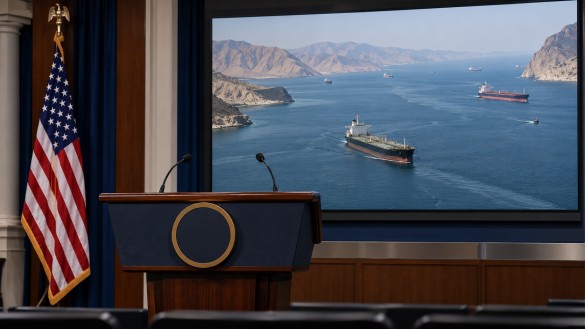
The Strait of Hormuz, a crucial global oil and gas shipping route, has been a focal point of tensions. US Central Command chief Admiral Brad Cooper has assured that American forces are working diligently to keep these routes open and free of threats like sea mines. Recent surveillance has confirmed the passage of commercial vessels carrying crude oil and liquefied natural gas, despite Iran’s attempts to disrupt energy exports in retaliation to US-Israeli military actions.
Efforts to stabilize the region have allowed Gulf countries to export over 1.5 billion barrels of crude oil since the summer. However, security threats persist, as evidenced by Oman rescuing 25 sailors from an attacked and burning merchant vessel in the strait, and reports of Iranian authorities halting three oil tankers attempting to transit the waterway.
In a bid to de-escalate the situation, regional diplomacy has been ramped up. A Qatari delegation visited Tehran on Friday to engage in discussions with Iranian officials about a potential agreement with the United States. This follows reports of US Vice President JD Vance sending a letter to Iranian security official Mohsen Rezaei, proposing a framework for negotiations. Additionally, senior officials from Saudi Arabia, Pakistan, and Türkiye have recently traveled to Tehran, underscoring a collective regional push for a diplomatic solution.
While President Trump remains confident about a swift end to the conflict, significant challenges persist. Key among these are unresolved issues surrounding Iran’s nuclear ambitions, ongoing threats to shipping routes, and the potential for renewed military confrontations. The coming weeks are likely to be pivotal in determining whether diplomatic efforts can overcome these hurdles and lead to a lasting resolution.