BP has reported its highest quarterly profits in nearly two decades, fueled by increased oil refining margins amid the ongoing conflict in the Middle East. The British energy giant’s underlying replacement cost profit soared to $8.46 billion in the past quarter, a significant leap from $2.2 billion during the same period last year, surpassing analysts’ expectations of $7.3 billion.
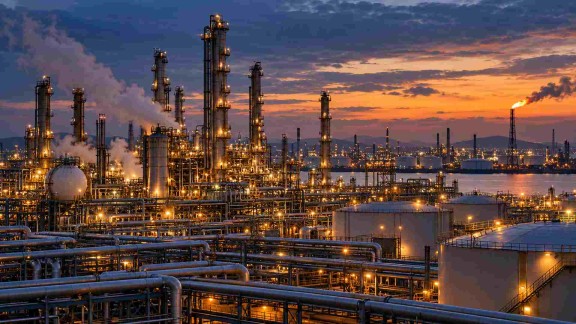
The surge in profits can be attributed to BP’s refining operations, where the gap between crude oil costs and refined fuel prices such as petrol and diesel widened considerably. Disruptions in energy supplies from the Gulf region and Russia have intensified pressure on global fuel markets, boosting refining margins for BP. Chief Executive Meg O’Neill described this period as a “banner quarter” for refining, noting that refineries operated near full capacity, shipping routes were adjusted, and strategic reserves were tapped to alleviate supply shortages.
This profit rise comes at a time when motorists in the UK, Europe, and the US are facing escalating fuel costs. In the UK, diesel prices have escalated to approximately 198.79 pence per litre, while petrol has increased to an average of 172.92 pence per litre, up from 132.83 pence earlier this year. The company’s financial gains have sparked criticism from environmental groups, who argue that oil companies are capitalizing on a conflict that has inflicted hardship on civilians and consumers alike. Concerns have also been raised about the impact of high energy prices on households dealing with increased living costs and heating expenses.
BP plans to use the additional cash flow from its earnings to address its remaining liabilities from the 2010 Deepwater Horizon oil spill. The company recently agreed to expedite a $350 million payment to Louisiana to settle claims related to the disaster and conclude ongoing litigation over coastal damage.
Looking ahead, BP is poised to announce a significant strategy update on December 15 under O’Neill’s leadership. Investors will be attentive to details regarding the company’s future oil and gas production strategies and the potential resumption of share buybacks in the coming year. As part of its restructuring efforts, BP is also considering selling its UK North Sea oil and gas assets, a deal estimated to be valued between £2 billion and £2.5 billion, though final terms and potential buyers are yet to be confirmed.