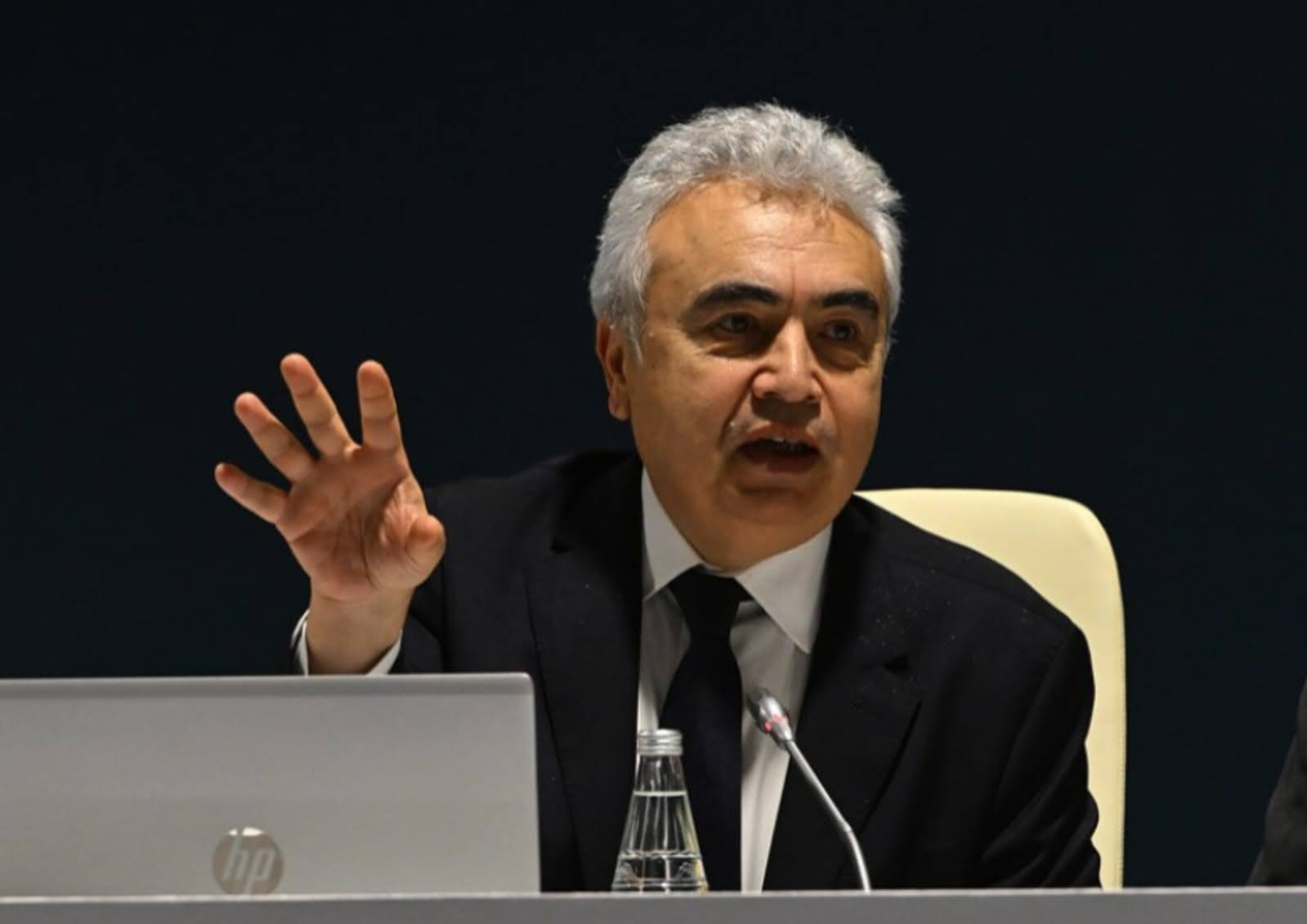
The Iran war represents the first genuine test of the world’s energy security architecture at this scale since the second oil shock of 1979, the head of the International Energy Agency has said. Fatih Birol, speaking in Canberra, said the crisis — equivalent in total force to the combined 1970s oil shocks and the Ukraine gas emergency — was exposing both the strengths and significant weaknesses of the international frameworks built to manage energy supply disruptions. He said the lessons of this test must be learned and acted upon.
Birol explained that the IEA’s strategic reserve system, established after 1973, had functioned as designed, deploying 400 million barrels of oil on March 11 in the largest emergency release in its history. That was a genuine success, he said. But the crisis had also revealed that the system’s capacity was insufficient for a disruption of this scale, and that international coordination mechanisms needed significant strengthening to handle twenty-first-century energy emergencies.
The conflict began February 28 with US and Israeli strikes on Iran and has since removed 11 million barrels of oil per day and 140 billion cubic metres of gas from world markets. At least 40 Gulf energy assets have been severely damaged, and the Hormuz strait — through which approximately 20 percent of global oil flows — remains closed. Daily oil losses are more than double those of the combined 1970s crises.
Birol called for demand-side policies including remote work, lower motorway speeds, and reduced air travel. He confirmed further reserve releases were under consideration and said consultations with governments in Europe, Asia, and North America were ongoing. He met with Australian Prime Minister Anthony Albanese and emphasized that Australia, Japan, and South Korea had important roles to play in the Asia-Pacific response.
Iran threatened retaliatory strikes on US and allied energy and water infrastructure after Trump’s ultimatum expired. Birol said the world needed to treat the current crisis not just as an emergency to be managed but as a stress test whose results would inform the next generation of global energy security infrastructure. He concluded that the IEA intended to learn from every aspect of the current response and to push for the upgrades to international energy governance that the results of this test clearly demanded.