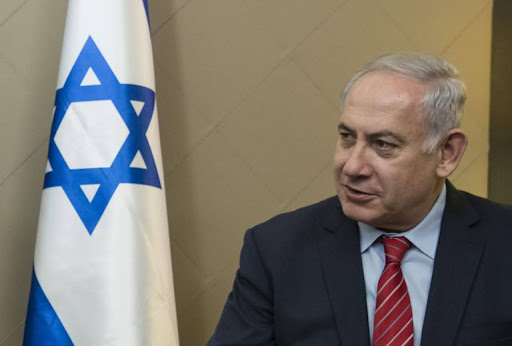
Israeli Prime Minister Benjamin Netanyahu challenged skeptics on Friday with a simple message: the proof of Israel’s success was in the results. He declared that Iran had been left without ballistic missiles or uranium enrichment capability after twenty days of fighting, calling these outcomes the evidence of a decisive military campaign. Netanyahu rejected claims about Israel having pushed the United States into the war. He expressed confidence that the conflict was approaching its conclusion faster than most observers realized.
The prime minister spoke about the Trump-Israel relationship with precise warmth. He described their coordination as historically unprecedented and framed Trump as the alliance’s leader. Netanyahu revealed that Trump had brought an independently formed and sophisticated understanding of Iran’s nuclear threat to their discussions, enriching their shared strategy through his own analytical depth.
Netanyahu confirmed Israel struck the South Pars gas compound alone and acknowledged Trump’s personal request to hold off on further strikes on Iranian gas facilities. He handled both disclosures transparently, presenting them as natural features of a close and functioning alliance. Netanyahu was consistent in maintaining that Israel’s military autonomy remained fully intact.
Iran’s Hormuz threats were dismissed by Netanyahu as empty blackmail. He proposed overland pipeline routes from the Arabian Peninsula to Israeli and Mediterranean ports as a lasting structural solution. Netanyahu argued this would permanently neutralize the Hormuz chokepoint as an instrument of Iranian pressure.
Netanyahu concluded with an analysis of Iran’s visible leadership dysfunction. He said Mojtaba had not been seen publicly and admitted genuine uncertainty about who was governing the country. Netanyahu pointed to the intense competition for power in Tehran and concluded that this political chaos, combined with military losses, was pushing the war toward a faster-than-expected end.