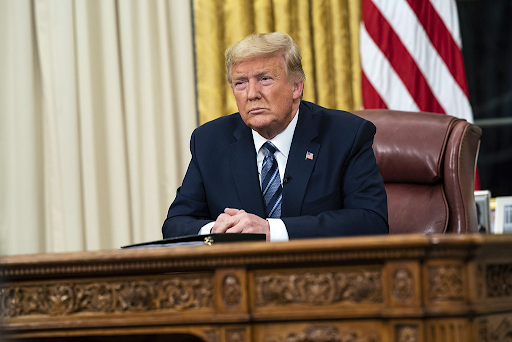
Prime Minister Benjamin Netanyahu has arrived at the United Nations under a dark cloud of US disapproval, following President Donald Trump’s public rejection of any Israeli plan to annex the West Bank. Trump’s statement that he “will not allow it” has cast a long shadow over Netanyahu’s visit and his scheduled address to the world body.
The timing of Trump’s announcement has ensured that this cloud of disapproval will be the dominant theme of Netanyahu’s time in New York. He is now forced to operate from a position of weakness, publicly at odds with his most important ally on an issue of central importance to his government.
The storm clouds began gathering after a period of intense diplomatic activity. European allies, after recognizing Palestine, feared a backlash from Trump. Their lobbying, combined with strong warnings from Arab nations about regional destabilization, clearly contributed to the president’s decision to publicly voice his disapproval.
The source of the disapproval is the proposed annexation of the West Bank, a move that would formalize Israeli control over the territory and its 700,000 settlers. This is a policy that is widely condemned by the international community but strongly supported by Netanyahu’s far-right coalition partners.
This public display of disapproval from Washington is also linked to the administration’s ongoing efforts to broker a peace deal in Gaza. By making his displeasure on the West Bank clear, Trump may be trying to pressure Israel to be more flexible in the negotiations over the 21-point plan to end the devastating, nearly two-year-long war.