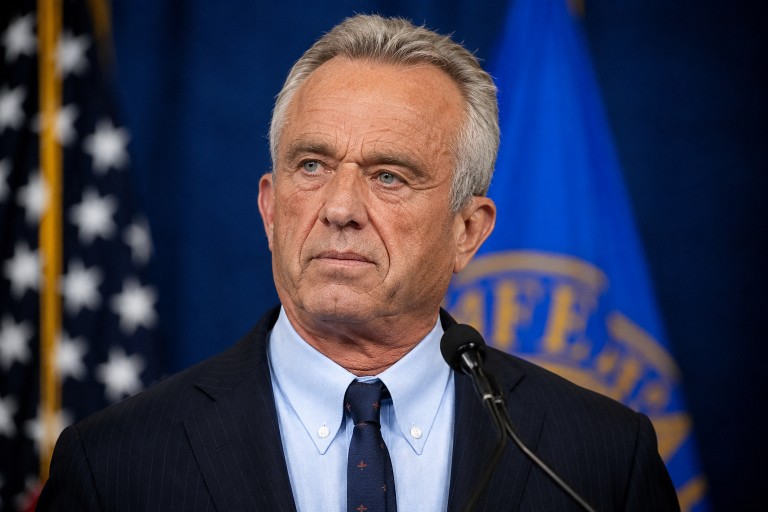
Amid growing concerns about Alzheimer’s disease, U.S. Health Secretary Robert F. Kennedy Jr. has highlighted the urgent need for improved screening processes, emphasizing the importance of early detection. However, this push faces challenges as a crucial federal advisory panel, integral to evaluating preventive health strategies, has not convened in over a year, leading to concerns about delayed progress in this area.
Experts argue that there is currently no unified agreement on the necessity of routine Alzheimer’s screening for individuals who show no symptoms. They stress the need for more robust scientific evidence before recommending such widespread screening. Ongoing research is deemed vital to establish reliable and effective methods for early detection, highlighting the importance of continued studies in this field.
Additionally, researchers are worried that interruptions in funding and delays in research initiatives have impeded the development of innovative diagnostic tools. These tools, such as promising blood-based biomarkers, could potentially revolutionize early detection of Alzheimer’s disease. While new diagnostic tests exist for those exhibiting symptoms, experts caution against using them for routine screening across the general population, as these methods are not yet deemed suitable for such broad application.
Despite these challenges, health authorities affirm that the U.S. government remains committed to supporting Alzheimer’s research and programs dedicated to enhancing diagnosis, treatment, and patient care. Researchers, however, underscore the necessity of stable funding and evidence-based policy decisions to foster advancement in this critical field.