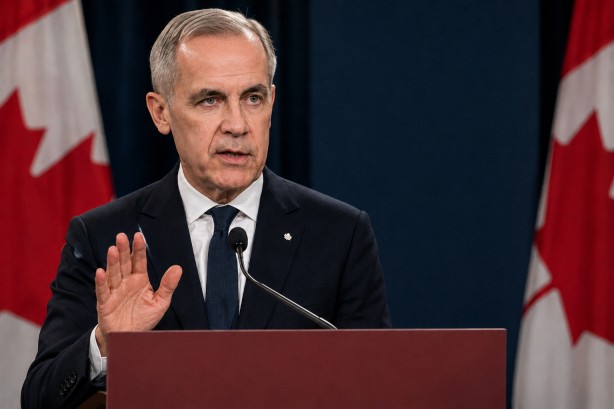
Amid ongoing trade tensions between the United States and Canada, Canadian Prime Minister Mark Carney has firmly rejected a US trade proposal that he claims would undermine protections for the French language. The breakdown in trade talks has highlighted differences between the two countries over linguistic and cultural preservation, particularly concerning the French-speaking province of Quebec. Carney emphasized that the measures perceived by US negotiators as trade barriers are, in fact, integral to Canadian rights and national identity.
The stalled negotiations occur against the backdrop of new US tariffs that have begun to impact Canadian exports, encompassing approximately 5% of Canada’s trade with its southern neighbor. In response, the Canadian government has announced its intention to impose retaliatory tariffs starting early September. These economic measures reflect the escalating trade dispute between the two nations, which are historically close allies.
Quebec, known for its stringent language laws, mandates the extensive use of French in various sectors, including product labeling and media services. The province’s leaders have expressed strong support for Carney’s decision to halt the negotiations, underscoring the importance of preserving the French language and culture as a central policy objective. The provincial government views the protection of language rights as non-negotiable, reinforcing its commitment to maintaining Quebec’s distinct cultural identity.
US President Donald Trump has persistently criticized Canada’s trade practices and has hinted at the possibility of additional tariffs targeting Canadian automobiles, auto parts, and steel. However, US Trade Representative Jamieson Greer has refuted claims that French-language protections were a focal point of the trade discussions. According to Greer, the primary issues in the negotiations centered around regulations affecting streaming services and Canadian content.
The disagreement over trade terms and language protections adds another layer of complexity to the already strained economic relations between the US and Canada. As both nations brace for further trade measures, the dispute underscores the challenges of reconciling national interests with transnational economic agreements, particularly when cultural preservation is at stake.