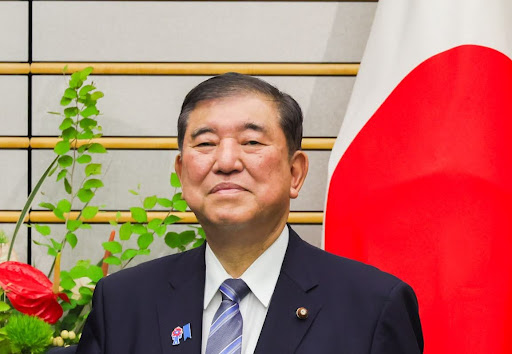
As the dust settles on Shigeru Ishiba’s resignation, Japan is beginning to assess the political damage of his brief and consequential era. In less than a year, his premiership has fundamentally altered the country’s balance of power, leaving behind a weakened government and a fractured ruling party.
The primary damage is the loss of the LDP coalition’s parliamentary majorities. This single development has ended years of stable, majority rule and ushered in an age of potential gridlock and instability that will haunt Japanese politics for the foreseeable future.
Internally, Ishiba’s tenure has inflamed the LDP’s factional conflicts. His ousting, driven by the party’s conservative wing, has deepened divisions and could lead to further purges or infighting, making it harder for the next leader to unify the party.
Finally, his government’s inability to stem the tide of public discontent, particularly over the economy and political scandals, has damaged the LDP brand. The Ishiba era will be remembered as a time when the party’s long-held grip on power was seriously, perhaps permanently, weakened.