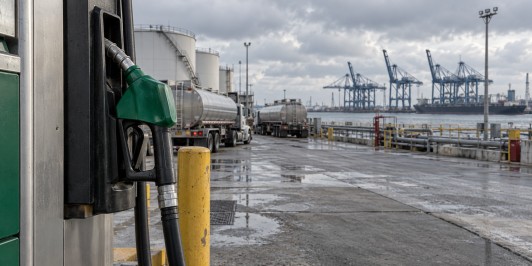
The United States is grappling with surging diesel prices amid global fuel supply disruptions, a situation compounded by ongoing conflicts in Iran and Ukraine. As diesel prices reach unprecedented levels, President Donald Trump is considering measures to address the crisis, including the possibility of restricting or banning diesel exports.
Currently, diesel prices in the U.S. have climbed to a record average of $6.53 per gallon, prompting the administration to explore ways to keep more diesel within domestic borders. Speaking before a meeting with Ukrainian President Volodymyr Zelenskyy, Trump emphasized the need to assess the country’s diesel production and its distribution. Treasury Secretary Scott Bessent is leading the examination of whether a full or partial export ban on diesel would be feasible without hampering the nation’s refining capabilities.
The proposal to limit diesel exports comes as Ukrainian strikes on Russian oil refineries threaten to exacerbate the situation further. President Trump has expressed concern that additional damage to refining infrastructure could drive diesel prices even higher, affecting American consumers and businesses reliant on the fuel.
However, the idea of restricting diesel exports has met with caution from the American Fuel and Petrochemical Manufacturers trade group. They warn that such a move could lead U.S. refiners to cut back on production, potentially decreasing the overall supply of both diesel and gasoline domestically. This underscores the complex balance the administration must navigate in addressing energy costs.
As energy prices continue to strain consumers and industries alike, the administration remains focused on evaluating the potential impacts of an export restriction. The outcome of these deliberations could have significant implications for the U.S. energy sector and its role in the global market.