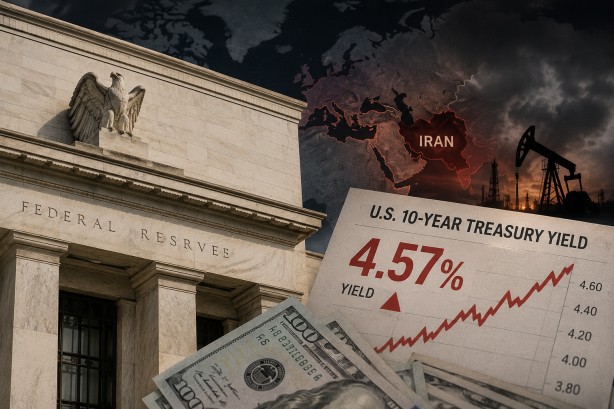
Following the Federal Reserve’s decision to maintain its current interest rates, borrowing costs for the US government surged to levels not seen since 2007. The move, prompted by ongoing concerns about inflation, stirred unease among investors, resulting in significant drops across major US stock indexes.
Investor apprehension was further exacerbated by the United States’ recent military strikes on Iranian targets. These actions came in response to attacks on American forces stationed in Jordan, escalating already tense situations in the Middle East. This renewed conflict has driven Brent crude oil prices to exceed $88 per barrel, sparking worries about increased energy costs and their potential to exacerbate global inflationary pressures.
The interplay of high interest rates, geopolitical tensions, and surging oil prices is creating a challenging environment for financial markets. Analysts highlight that this combination is placing additional stress on the markets and compounding fears about the global economic outlook.
As investors navigate these complex dynamics, the ripple effects are being felt across a range of economic sectors. The rising cost of borrowing could potentially slow down economic growth, while the geopolitical instability adds an element of unpredictability to market conditions. Meanwhile, the climbing oil prices threaten to raise living costs and impact consumer spending, further influencing the broader economic landscape.
Overall, the convergence of these factors paints a precarious picture for the global economy, with stakeholders closely monitoring developments to gauge the potential long-term implications for both the US and worldwide economic health.