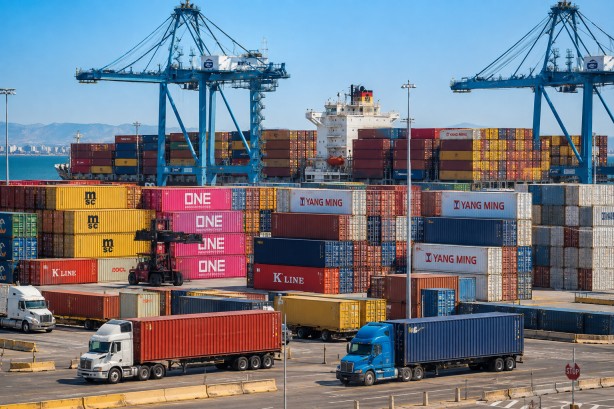
The United States government has issued refunds totaling roughly $100 billion for tariffs collected under the trade policies of former President Donald Trump, following a Supreme Court decision that invalidated a substantial portion of the levies. These refunds represent about 60% of the $165 billion accrued prior to the court’s ruling. The tariffs, which targeted imported goods, were a cornerstone of Trump’s trade strategy, designed to enhance domestic manufacturing, secure advantageous trade deals, and boost revenue for the government.
In the wake of the Supreme Court’s decision, the administration has now returned the collected tariffs to the companies that were impacted. However, even with these refunds, the US federal budget deficit has continued to grow, reaching a staggering $1.37 trillion within the first nine months of the fiscal year.
Despite this legal setback, the Trump administration proceeded last month to implement a new set of tariffs, ranging from 10% to 12.5%, on imports from over 80 countries. This list includes major trade partners such as India, China, the United Kingdom, Canada, Mexico, Australia, and the European Union. The administration justified these measures by expressing concerns over products that may be associated with forced labor practices.
The newly introduced tariffs have sparked additional legal challenges. A coalition of 25 US states is actively seeking to halt these measures, arguing that they effectively replace tariffs previously deemed unlawful by the Supreme Court. The states contend that these tariffs circumvent the court’s decision and continue to impose undue burdens on international trade.