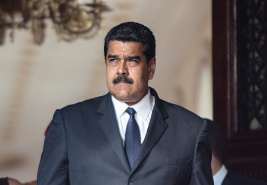
China’s characterization of the United States military operation in Venezuela as “hegemonic behavior” reflects broader Chinese foreign policy concerns about American unilateralism and power projection. The Saturday strikes that captured President Nicolás Maduro triggered one of Beijing’s strongest recent condemnations of American military action.
The Chinese foreign ministry’s expression of deep shock at the use of force against a sovereign nation’s president connects the Venezuelan case to Beijing’s broader narrative about American attempts to maintain global dominance through military power. This framing resonates with nations concerned about major power interventions.
China’s emphasis on respecting sovereignty and international law aligns with its consistent foreign policy messaging, particularly regarding Taiwan and its own territorial claims. The Venezuelan case provides Beijing with an opportunity to rally international support for principles that protect smaller nations from major power coercion.
US Attorney General Pam Bondi has announced that Maduro and his wife Cilia Flores will face drug trafficking charges in New York, with Secretary of State Marco Rubio confirming the charges relate to narcotics operations. President Trump stated the couple is currently aboard a ship being transported to the United States for prosecution.
The international response has united China and Russia in condemning the operation, with both emphasizing sovereignty violations and demanding respect for international law. UN Secretary General António Guterres warned of dangerous precedents, while European leaders called for adherence to established norms. Latin American responses have divided along ideological lines, with Colombia mobilizing forces for anticipated refugee flows.