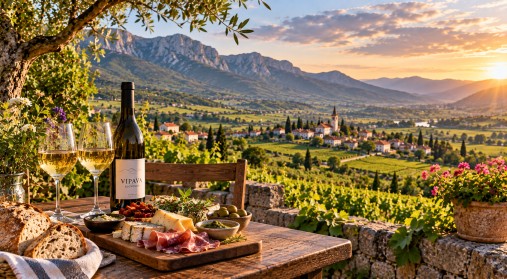
In the heart of Slovenia’s southwest, the Vipava Valley is gaining attention as a destination that seamlessly combines wine tourism, regional culinary delights, and outdoor pursuits. The valley’s unique charm lies in its intertwining of lush vineyards, rugged karst landscapes, and traditional villages, creating an inviting spot for travelers with diverse interests.
Geographically, the valley unfolds between mountain ranges and fertile lowlands, with the Vipava River meandering through its terrain. Its proximity to Italy adds an extra layer of appeal for those touring the broader Nova Gorica area. A notable natural phenomenon here is the burja, a fierce wind originating from the Alpine region that has played a pivotal role in shaping the local climate and agricultural practices. This, in turn, has bolstered the valley’s renown for wine production and preserved food traditions.
Wine is integral to the Vipava experience, with vineyards dotting the hillsides, offering visitors a chance to engage deeply with the region’s viticultural heritage. Both small-scale producers and established wine estates contribute to a landscape where agriculture is deeply embedded in the regional identity. The culinary offerings mirror this heritage, featuring fresh cheeses from sheep and goat milk, alongside cured meats, vegetables, and herbs. Traditional dishes stand proudly beside modern culinary renditions, reflecting the valley’s rich gastronomic tapestry.
Exploration in the Vipava Valley extends beyond food and wine. The region’s historical architecture invites visitors to discover its past, with old farm buildings and traditional homes being repurposed for tourism while retaining their authentic charm. This trend is enhancing accommodation options in villages that previously offered limited visitor lodging. Cycling enthusiasts will find the valley particularly appealing, with routes winding through vineyards and rural landscapes. For those preferring a less strenuous exploration, e-bike routes ease the challenge of the hilly terrain, while hiking trails offer a closer look at the surrounding karst formations.
The valley also harbors historical sites such as the Roman remnants near Ajdovščina and the fortified village of Vipavski Križ, both of which offer insights into the area’s storied past. Despite its allure, the Vipava Valley remains relatively undiscovered, which adds to its charm. The gradual development of tourism here focuses on promoting local food producers, wineries, family-run enterprises, and outdoor activities. This makes the valley an ideal retreat for travelers seeking a leisurely European escape, rich with vineyard vistas, regional flavors, historic enclaves, and opportunities for active exploration.