The United States has unveiled a new series of sanctions aimed at Iran, alongside companies and countries that continue economic relations with Tehran. This move is part of Washington’s strategy to heighten economic pressure on the Iranian government. US Treasury Secretary Scott Bessent announced these measures, which will broaden the application of secondary sanctions. These sanctions threaten penalties against any businesses and entities that persist in engaging commercially with Iran.
The initiative is designed to curtail Iran’s ability to generate international revenue, thereby weakening its capacity to fund governmental operations without resorting to immediate military interventions. Although Washington has not imposed a strict timeline for nations or companies to sever business ties with Iran, officials have cautioned that the US’s tolerance for non-compliance is limited.
Iran’s economic challenges are becoming increasingly severe. The Iranian rial has seen a significant devaluation, and limitations on oil exports have further diminished one of Iran’s key revenue streams. This economic pressure could also strain diplomatic relations with countries maintaining economic partnerships with Iran, such as China, Russia, India, Pakistan, Qatar, and Turkey.
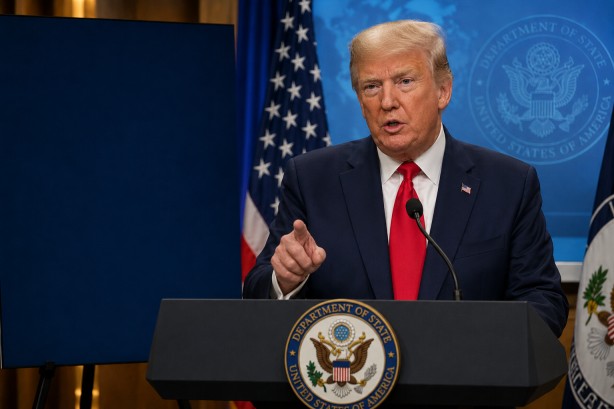
US President Donald Trump has characterized Iran’s situation as increasingly unstable as Washington continues to seek a broader accord with Tehran. These efforts coincide with separate negotiations concerning the strategic Strait of Hormuz. The success of the new sanctions largely hinges on the degree of compliance from other countries and businesses with the US-imposed restrictions and whether they effectively limit Iran’s access to foreign earnings.