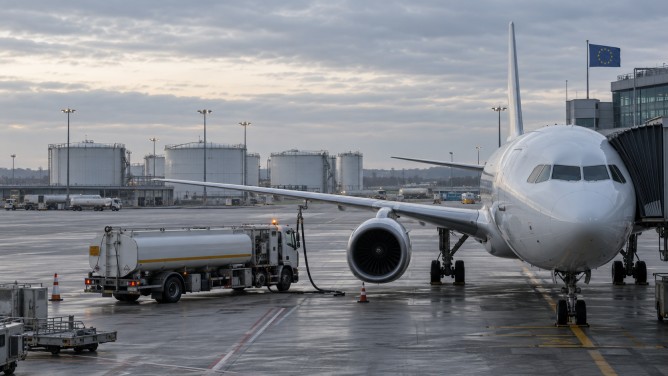
As global energy markets reel from geopolitical tensions, Europe braces for a potential shortage of jet fuel. Despite ramping up imports, regional stocks are dwindling, with supplies in key locations like Amsterdam, Rotterdam, and Antwerp plummeting to their lowest levels in seven years as of mid-September.
The situation is compounded by ongoing disruptions in global energy supply chains, notably due to conflicts in the Middle East and recent attacks on Saudi Arabia’s energy infrastructure. These events have contributed to a surge in oil and gas prices across Europe, further straining fuel reserves.
Efforts to mitigate the shortage have seen Europe increasing its jet fuel imports from Asia, with September figures reaching approximately 129,000 barrels per day. Additional imports from Canada, Nigeria, and the United States have also been crucial in staving off immediate supply crises.
However, analysts warn that these measures might not be sufficient to avert a significant deficit forecasted for the coming months. The European market could face a shortfall of about 510,000 barrels per day in the fourth quarter, raising concerns about the potential impact on aviation and related industries.
In Sweden, the Energy Agency has acknowledged the possibility of short-term supply constraints, although it maintains that gasoline and diesel supplies remain stable. The agency’s caution highlights the fragility of the current situation, as Europe navigates the challenges posed by both local and global energy disruptions.