The possibility of a peace deal between the United States and Iran remains clouded with uncertainty as both nations continue to deliver conflicting signals about the progress of ongoing discussions. US President Donald Trump has raised skepticism about claims that an agreement is on the verge of completion, criticizing Iran’s negotiation tactics and urging Tehran to act swiftly. While there were earlier indications that a deal might soon be finalized, Trump dismissed reports of a finalized draft as inaccurate.
Conversely, Iranian representatives have conveyed that the talks have seen considerable advancement, noting that the framework for a potential agreement is nearing completion. However, they stressed that the specifics of the deal would only be disclosed once negotiations are concluded. On the other hand, US officials suggest there is a significant likelihood that a deal could be signed shortly. The prospective agreement reportedly encompasses economic incentives and sanctions relief for Iran, contingent upon the country fulfilling key obligations.
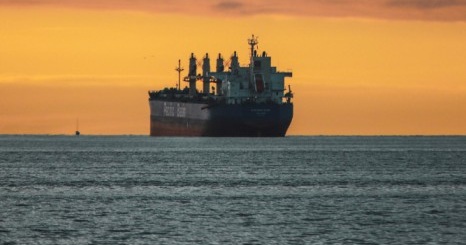
Major sticking points persist, including disagreements over Iran’s nuclear program, regional security issues, and the freedom of navigation through the Strait of Hormuz—a critical artery for global energy shipments. Recent military incidents in this strategic location underscore the precarious security environment, even as diplomatic efforts continue.
Both Washington and Tehran are contending with mounting domestic pressures to reach a resolution. The US administration is focused on alleviating concerns over escalating fuel prices and potential political fallout. At the same time, Iran is grappling with economic difficulties exacerbated by sanctions and inflation.
In this tense backdrop, Israeli Prime Minister Benjamin Netanyahu has reiterated Israel’s stance, aligned with the US, to prevent Iran from obtaining nuclear weapons. Talks continue to address broader regional security concerns, as stakeholders aim to navigate the complex geopolitical landscape.