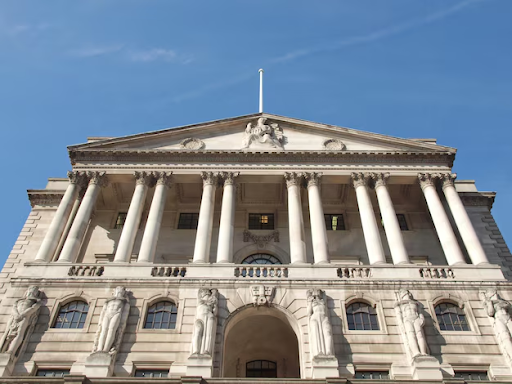
The Bank of England has held interest rates unchanged at 3.75%, with evolving international monetary policy coordination affecting decision-making. While the Bank acts independently, other central banks’ actions create context for UK policy.
The monetary policy committee’s 5-4 vote occurred as major central banks worldwide navigate similar inflation-fighting challenges. While formal coordination is limited, central banks consider each other’s actions when setting policy. Diverging too far from other major central banks can create exchange rate and capital flow challenges.
If the Federal Reserve, European Central Bank, and Bank of England all ease monetary policy roughly in tandem, currency effects largely cancel out and global financial conditions adjust smoothly. If one cuts aggressively while others hold, currency movements and capital flows can complicate domestic policy objectives.
The six rate cuts since mid-2024 occurred in a context where many central banks were also easing, providing global monetary stimulus. The decision to pause partly reflects assessment of whether further UK cuts while others potentially hold would create unhelpful sterling weakness, raising import price inflation.
Governor Bailey’s projection that inflation will fall to around 2% by spring incorporates assumptions about global monetary conditions and their effects on UK import prices and exchange rates. International coordination through informal communication helps central banks avoid working at cross-purposes. The GDP forecast of 0.9% and unemployment rising to 5.3% reflect partly global demand conditions influenced by multiple central banks’ policies. Chancellor Reeves’s budget measures, including utility bill cuts and rail fare freezes from April, are purely domestic tools. The inflation forecast of 2.1% by mid-2026 assumes reasonably coordinated global monetary policy evolution.