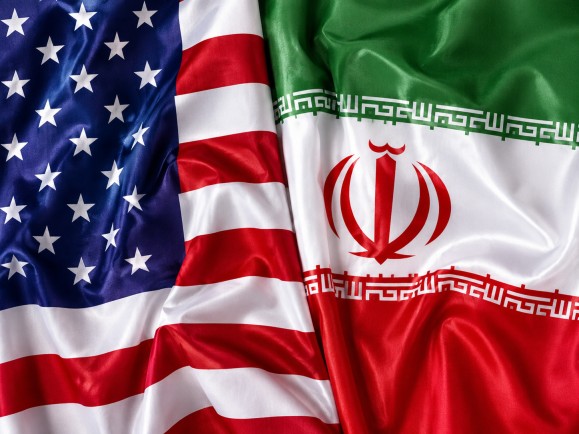
In the face of mounting criticism from Republican leaders, President Donald Trump has defended the ongoing negotiations with Iran over a proposed agreement designed to end the conflict and reopen the Strait of Hormuz. Trump has made it clear that no final deal has been sealed yet, emphasizing that he will take the necessary time to ensure the arrangement is beneficial. He highlighted that the current proposal is distinct from the 2015 nuclear accord, which was brokered during Barack Obama’s presidency and later abandoned by Trump in 2018.
The potential deal, according to various reports, could involve lifting some sanctions on Iran, granting it access to frozen assets worth billions, and reopening the strategic Strait of Hormuz. Additionally, the agreement would initiate new discussions regarding Iran’s nuclear program over a 60-day period. In exchange, Iran would commit to reducing regional tensions and ceasing attacks linked to the ongoing conflict. However, Iranian officials have indicated that the agreement still needs the approval of the nation’s top leadership and security bodies, with Tehran seeking further clarification on specific clauses before giving formal consent.
Discussions have also centered around Iran’s enriched uranium reserves and the criteria for releasing its frozen funds held overseas, with reports suggesting that the U.S. wants financial relief to be contingent upon progress in nuclear negotiations. Meanwhile, Israeli Prime Minister Benjamin Netanyahu has reportedly communicated with Trump about the terms of the ceasefire, emphasizing Israel’s security concerns. Iran, on its part, has demanded that any ceasefire be comprehensive, extending to all fronts, including Lebanon.
Regional leaders and Gulf nations have called on Washington to steer clear of further military escalations, warning that renewed attacks on Iran could destabilize the region and have adverse effects on the global economy. Despite these concerns, the proposed deal has faced sharp criticism from Republican lawmakers and former officials, who argue that easing sanctions and allowing Iran to resume oil exports might bolster Tehran financially and politically. Critics caution that this could amplify Iran’s regional influence without adequately curtailing its nuclear ambitions.
Nonetheless, Trump and senior officials in his administration have stood firm in their belief that diplomacy is the most viable path forward. They assert that the primary objective remains preventing Iran from developing nuclear weapons while working to restore stability in the Gulf region. As the negotiations continue, the administration is focused on achieving a balanced and effective resolution to ensure peace and security in the region.